The Future of Food Trucks: Why Digital Ordering Isn’t Optional Anymore
Date Published
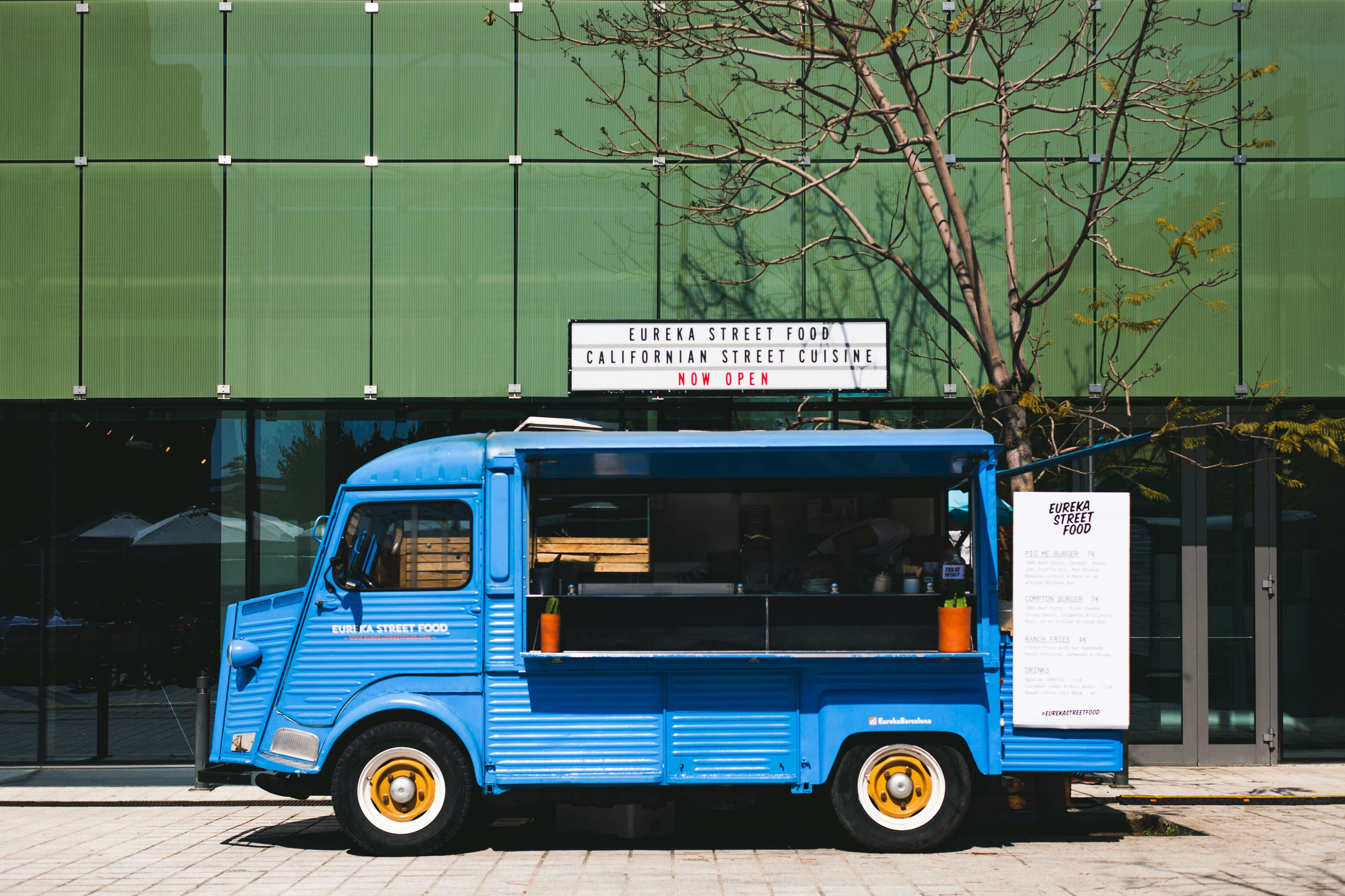
In the mobile-kitchen world of food trucks, the rules are changing fast. What once was a roll-up-window and cash-only operation is evolving into a tech-savvy platform on wheels. The message is clear: digital ordering isn’t optional anymore—it’s central to survival and growth.
A shifting customer expectation
Gone are the days when simply parking at the right spot and having a catchy menu board was enough. Today’s consumers expect speed, convenience and the ability to order ahead or pay digitally. For food trucks, that means embracing mobile orders, QR codes, contactless payments and online engagement.
According to recent data, nearly 60% of customers prefer ordering via mobile apps or online platforms when it comes to food trucks. Gitnux
One report shows 68% of food trucks use digital payment solutions and 65% of consumers delayed or cancelled visits based on online reviews — underscoring that online presence and ordering matter. ZipDo
For a food truck owner, this means: you’re not just cooking. You’re part kitchen, part app-developer, part social-media promoter. The bar has moved.
Why the business case is strong
It’s not just about keeping up with what customers want—it’s about what operators need in order to stay viable and scale.
Digital ordering systems help reduce wait times and ease customer flow. For trucks, lineups are a friction point; when customers can order ahead, they skip waiting and skip losing patience. One QR-code report found order values increased by 27% when mobile ordering was offered. qr-insights.com
Technology also helps manage operations: you can track what is selling, when, and where; you can adjust inventory; you reduce cash handling risks; you improve order accuracy. One survey indicated that nearly 9 in 10 food truck owners rely on digital tools (from mobile POS to social schedulers). Food Truck Profit
Competitive differentiation: With more trucks rolling in, standing out means being easier to find, easier to order from, and smarter in execution. A strong digital presence—menu online, ordering portal, real-time location update—becomes part of your brand promise.
What “going digital” means for food trucks
When we say “digital ordering,” it means a suite of capabilities:
Mobile/Online ordering – Customers place the order before arriving.
Integrated POS/ordering system – So orders flow smoothly into your production queue.
Contactless or digital payment – Cards, mobile wallets, QR pay—giving customers more options.
Real-time updates and tracking – Let customers know when their food is ready or where the truck is.
Menu and location visibility online – Your truck’s schedule, location, specials should be online and shareable.
Feedback loops and loyalty – Digital orders give you data: repeat customers, preferences, timing.
In practice: many trucks now display a QR code for “order ahead” at events; others have mobile ordering apps tied to their menu; some integrate social media posts with “we are at this park now – order online, skip the line.”
But it’s not without challenges
Adopting digital tools isn’t plug-and-play. Food trucks face unique constraints:
Mobility and variable location: Unlike a fixed storefront, trucks change spots, times and events. That means updating online ordering location info, managing pre-orders vs walk-ups, and coordinating staff accordingly.
Space and workflow: A truck window and limited staff means you have to integrate ordering systems without introducing confusion or bottlenecks. Reddit owners note that pre-orders sitting unpicked can clog space. reddit.com
Tech setup cost and skills: Some operators are comfortable with analog methods; shifting to digital requires tool selection, training, connectivity (WiFi/cellular), and upkeep. One survey found 78% of food truck entrepreneurs believe digital skills are crucial for growth. WifiTalents
Customer adaptation: Some patrons still prefer walk-up ordering, especially in spontaneous event settings. Having both digital and window-walk-up options may be ideal, but it adds complexity.
What truck owners should do now
If you’re an operator of a food truck (or planning to be), here’s a digital checklist:
Choose an ordering system – Preferably one that integrates with your POS, permits advance orders, and updates your schedule/location.
Offer mobile payment options – Ensure your terminal accepts card, mobile wallet, contactless.
Publicize your ordering channel and schedule – Use social media to announce where you’ll be and link to the ordering portal.
Manage the pick-up flow – Create a pickup zone or timeframe for digital orders so they don’t interfere with regular queue.
Track data – What times sell best? Customers ordering ahead? Which items sell online vs walk-up? Use that to refine menu and operations.
Train your team – Make sure the staff knows the tech, understands how to prioritize digital orders, and keeps the experience smooth.
Promote value for digital customers – Maybe a discount for ordering ahead, or early-bird specials, to drive adoption.
Maintain both channels – Until digital is dominant, continue serving walk-ups but gradually shift more volume to digital.
Why this matters for platforms like Slyderz
At Slyderz we’re building tools and partnerships so food trucks don’t have to struggle alone with this shift. Digital ordering isn’t just a feature—it’s table stakes. Trucks that delay adaptation may find themselves behind competitors who are easier to order from, easier to find, and more efficient. By helping trucks deploy digital ordering and location-based discovery we are empowering the food truck ecosystem and making street food accessible in the way modern consumers expect.